Water Heater Repair in Heron's Landing, Bartlett
Heron's Landing homes are among the newest in Bartlett, so the heater is often a first or second tank working hard for a busy household. We connect you with experienced local pros who start with the demand, not the age alone.
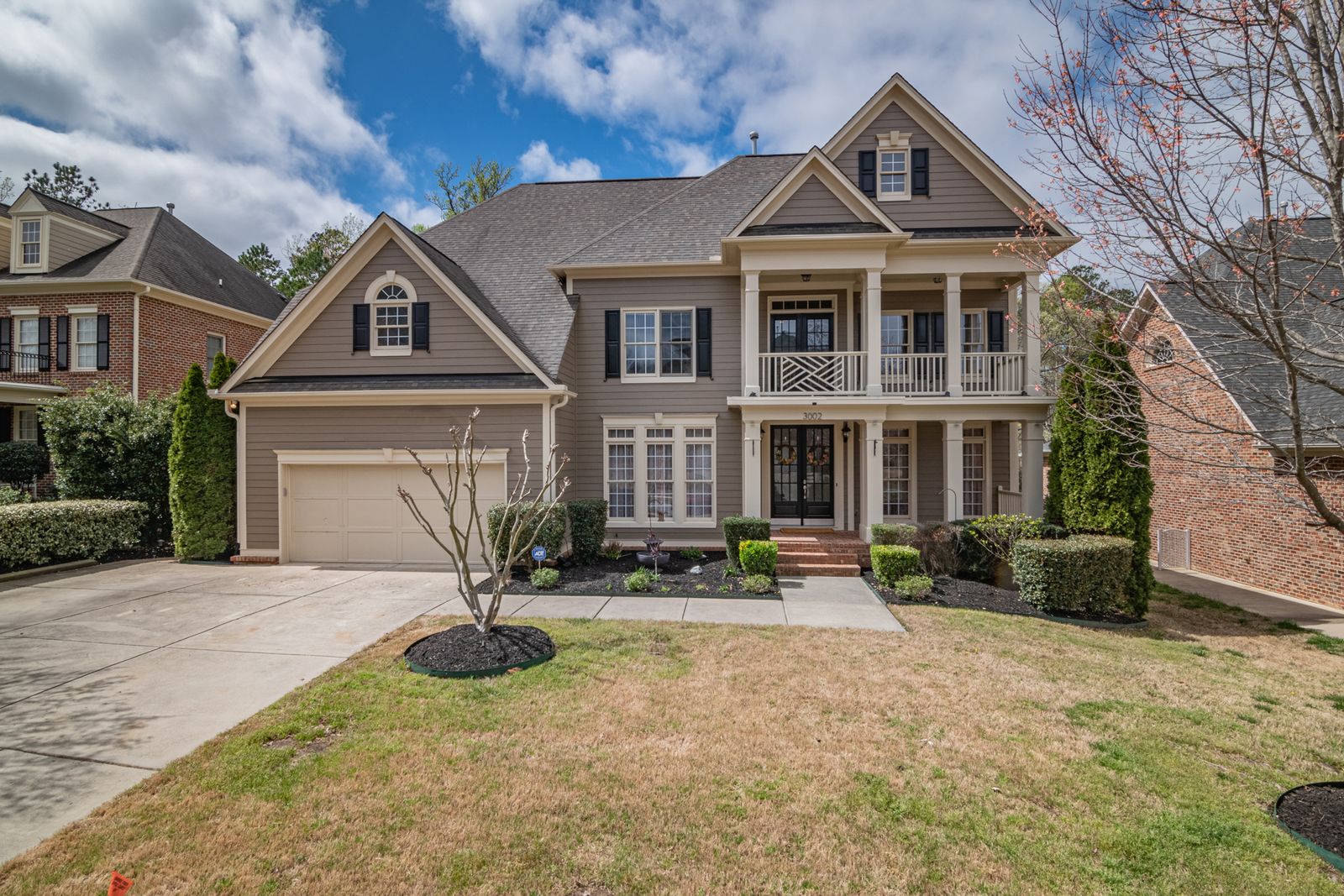
Water heater repair in Heron's Landing, Bartlett is rarely about a tank that looks ancient. More often, it is about a household that has outgrown what the tank can supply: showers that fade partway through, a dishwasher that steals the warmth, or a tank that has started to drip long before anyone expected trouble.
Describe what is happening and the pros we connect you with will sort out whether it is a part, a sizing question or a tank that has reached its limit. Newer homes still have plenty of ways to surprise their owners.
A newer neighborhood on the Cook County side
Heron's Landing is part of Bartlett's 2000s building, and the Cook County side is a geography note, not a rule about the plumbing. The ZIP is 60103, the same as most of the village, and the homes are the newest of the neighborhoods we cover in the 1990s to 2000s group.
The general pattern is a two-story family house, often with a full basement and more bathrooms than an older home would have. That means more fixtures drawing from one tank, and more chances for two or three people to want hot water at once.
In many of these houses the heater sits in the basement or a mechanical room, though some use a utility closet or the garage. Where it stands changes what a tech can reach, how the vent runs and whether a floor drain is nearby.
Because the homes are newer, the first heater may still be in place, or it may be the second. Either way, the tank has probably lived through a lot of hard use in a house built for modern routines: soaking tubs, multiple showers and a washer that asks for hot water on cycle.
Finishes also tend to be newer, which raises the stakes on a slow leak. A finished basement ceiling, a carpeted room below a bathroom or a tidy storage area can hide damage until it spreads. We describe all this as a tendency. Your home may be an exception, and the most useful clue is what you see at the tank.
When a busy household outruns its tank
The usual complaint in a newer house is not silence from the heater but a shortfall. Water runs hot for a bit and then fades. That points to recovery, which is how fast the tank can reheat after a big draw.
Several things can sit behind it. Sediment may coat the bottom of the tank, a heating element or burner may be underperforming, or the tank may simply be a size picked for fewer people than now live in the house. A dip tube that has failed can also mix cold water into the top, which feels like a tank that runs out too soon.
The fix depends on the cause, and that is why a short phone conversation helps. The tech compares what you describe with what the label says and decides whether a repair, a bigger tank or a different type of heater makes sense. If you use a lot of hot water, the pro may bring up a tankless option and explain how flow and the gas or electric supply have to line up.
Early trouble in a younger tank
A younger tank is not immune. Moderately hard Lake Michigan water still leaves scale, and heavy daily use speeds up the work the tank has to do. A rumble or a hot-and-cold swing can show up sooner than you would guess.
Parts fail too. Thermostats, elements, gas controls and valves are all repairable, and a small repair on a young unit can be worth doing. If you run an electric tank, our electric water heater page covers elements, thermostats and what a reset means.
Leaks need a clear head. A drip at a fitting or a relief valve line is different from a seam that has failed, and only the second one means replacement. If water is spreading, close the cold-water valve on top of the heater if you can reach it safely, keep people away from the wet floor and call.
What a tech looks at on a newer house
The first look is the label: model, capacity, fuel and the date that shows how long the tank has been working. After that, the pro asks how many people live in the house and when the water runs out.
Then the unit gets inspected. On a gas tank that means the burner, the control valve and the vent. On an electric tank it means the elements and thermostats, which are checked by the technician and never by the homeowner. In both cases the relief valve, the drain, the dip tube, the expansion tank and the anode rod are part of the picture.
With newer homes, the tech also thinks about the next stage. If a tank is repairable, the pro says so. If a replacement is the honest answer, the pro walks through the options and the upfront price before any work starts. A swap often goes smoothly, because the access is usually good, and our water heater installation page outlines what the day looks like.
Water heater replacement in Heron's Landing, and keeping a newer tank healthy
The phone is answered around the clock. We ask what the heater is doing, how big the household is, where the tank sits and what the label says. A local pro who works in newer homes then takes it from there, and same-day or emergency dispatch is available in many cases.
Early care helps a newer tank. Regular flushing and an anode check are the sort of water heater maintenance that keeps the tank easier to read and the sediment layer thin. Planning a visit now is calmer than waiting for a failure.
When it is time to replace, water heater replacement in Heron's Landing can be matched to the way your household really uses hot water. The same conversation covers whether a tankless water heater in Heron's Landing fits the gas line, the vent and the room.
Other parts of Bartlett and what they share
Older homes ask different questions. Water heater repair in Downtown Bartlett covers the depot-era core, and water heater repair in Apple Orchard looks at the mid-1980s basements. The home page on water heater repair in Bartlett ties every area together if you want the village-wide view.
Water heater repair in Heron's Landing, Bartlett: homeowner questions
A newer home often has more bathrooms and more daily demand than the tank was sized for. Recovery rate, sediment and a failed dip tube can all shorten the supply. A tech can tell which is at work from what you describe.
No. That is a geography note about where the neighborhood sits and has nothing to do with how the heater works. What matters is the era, the layout and where the tank is.
A younger tank still collects sediment, and an early flush and anode check are common reasons to book a visit. It is often easier to keep a healthy tank healthy. Ask the pro what suits your unit.
It can. Closets are tighter, so access to the valves and the base is limited and a leak can sit unseen behind a door. Tell us how the closet is laid out when you call.
A part like a thermostat, element or gas control can be repaired and often is. A tank that leaks from the body is a replacement. The tech makes that call after seeing the unit and explains the options first.
Sometimes, but the answer depends on space, fuel supply and plumbing layout. The pro may suggest a larger tank or a different type of heater instead. It is a question worth asking before you decide.
That points to a tank that cannot recover fast enough, a sediment layer insulating the heat from the water, or a failed dip tube. It can also mean the household has grown beyond the tank's capacity. A pro will sort out which.
Read us the label if you can see it safely: make, model and the date. Tell us how many people use hot water, what the heater is doing and where it sits. That is enough to start.
Water heater repair in Heron's Landing, Bartlett, made simple
A newer home deserves a straight answer when its heater falls short. Getting your heater sorted in Heron's Landing begins with one call and a clear description of what your household needs.