No Hot Water in Bartlett, IL
Cold shower, cold sink, cold dishwasher? This page covers the safe first steps for no hot water in Bartlett, then connects you with experienced local pros who find the cause.
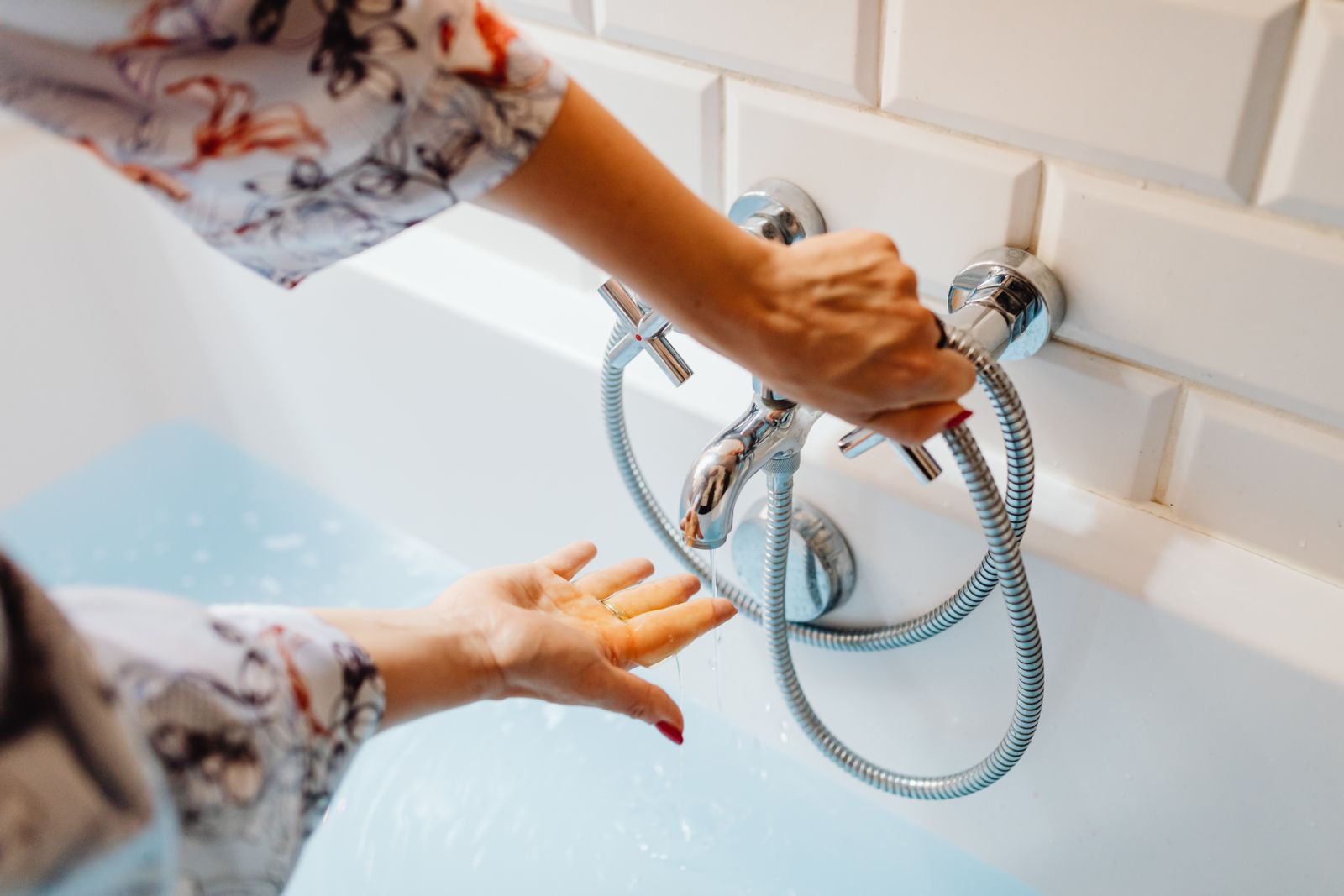
- Never relight a pilot or open the heater yourself, just call.
- Gas and electric heaters fail in different ways, so the fuel matters.
- Calls are answered 24/7, with same-day dispatch where available.
Start here: if you smell gas near the heater, leave the home and call the gas utility and 911 from outside. If not, there is nothing you need to take apart. Note the model label, keep the area clear and call us, because a cold tap is almost never a job for a screwdriver.
No hot water in Bartlett is one of the most common reasons a homeowner picks up the phone, and we connect you with experienced local pros who deal with it regularly. Tell us whether the heater runs on gas or electricity and what you noticed before the water went cold. You get straight answers and the upfront price before any work begins.
No hot water in Bartlett or not enough: which one do you have?
These are two different problems, and telling the pro which one you have speeds everything up. True no hot water means the heater is not heating at all. Not enough hot water means it works, but something limits how much you get.
If hot water runs out fast, the usual suspects are sediment in the tank, a part that has failed, or a heater that is too small for the household. If you only get lukewarm water, the heating system may be working at part strength, or a thermostat or control may be off.
When did it start, and what changed? A sudden failure points one way, while a slow decline over weeks points another. The diagram sketches where the pro looks first.
Also mention whether you have a recirculation line, a recent power outage, or any work done near the heater. Small details like these shorten the diagnosis. Even a rough description of the sounds the tank makes helps.
Water heater not heating: common causes on gas units
A gas heater makes hot water with a burner, and the burner needs three things: gas, a flame and a safe path for exhaust. When any one is missing, the heater shuts down. A pilot that went out, a thermocouple that no longer senses the flame, or a gas control valve that has failed can all stop the burner.
A blocked vent or a dirty burner can do the same, and so can a draft problem. These are described here so you know what the pro is looking at, not so you can try them. Please do not relight a pilot yourself, because gas appliances are not forgiving of guesses.
Power-vent and direct-vent models add a fan and sensors to that list, and a fault in any of them can lock the burner out as a precaution.
Our page on the gas water heater goes into the parts in more detail if you want to understand the heater before the visit.
Common causes on electric heaters
An electric tank heats with one or two elements, controlled by thermostats. When an element burns out, a thermostat fails or the safety limit trips, the tank can go cold or stay lukewarm. Electric units with two elements can lose one and keep going, which is why a heater may still work, just not for long.
A breaker that keeps tripping or a power problem at the unit also stops heating. These are electrical matters, so please leave the panel and the heater's wiring alone. The pro tests the parts and tells you what failed.
Heat-pump models and tankless electric units have their own controls and error behavior, so say which type you own. The pro matches the approach to the unit instead of assuming a standard tank.
You can read more on how these tanks are built on our electric water heater page.
Why hot water runs out fast: sediment, a dip tube or size
When hot water runs out fast, the heater may be heating but delivering less than it should. Sediment settles at the bottom of the tank and crowds out room for hot water, and it also insulates the water from the burner or element. Moderately hard Lake Michigan water leaves minerals behind, so tanks in Bartlett collect it.
A failing dip tube is another culprit. This plastic tube carries incoming cold water to the bottom of the tank, and if it cracks, cold water mixes with hot at the top and your taps run lukewarm too soon.
Sometimes the heater is simply too small, especially after a household has grown or a new bathroom has been added. A tank that is undersized usually shows up as a pattern: the first shower is fine and the last one is cold. Regular care helps with sediment, which our water heater maintenance page explains.
What the technician checks first
A good technician works from the simple to the serious. They confirm the symptom, find the label, and check the controls, the fuel or power supply, and the safety devices before touching any parts.
The checks also cover the flue or vent on gas units, the temperature and pressure relief valve, and signs of leaks around the base. Only then do they test individual parts, so the work follows evidence, not guesses.
| What you notice | Where the pro starts |
|---|---|
| No hot water at all | Fuel or power supply and the safety limits |
| Lukewarm water only | Thermostat settings, elements or burner, and the dip tube |
| Hot water runs out fast | Sediment, tank size and the dip tube |
| Rumbling or popping from the tank | Sediment build-up at the bottom |
| Hot at some taps, not others | A mixing valve or a shared fixture |
Repair or replace: how the decision is made
The pro compares what failed with what the heater is worth. A thermostat, element, thermocouple or valve is a repair that often makes sense. A tank that leaks, or one that is old and failing in several places, usually does not.
Age is part of it, and the label usually shows the date of manufacture. The pro will not guess at your tank's future, and no repair prevents every later problem. They will explain what they found, what each choice involves and what the work involves before starting.
If a fix is all that is needed, our overview of water heater repair in Bartlett shows how that kind of visit works.
Why Bartlett homes lose hot water the way they do
Older homes near the depot, described on our page for water heater repair in Downtown Bartlett, often have heaters in tight basement corners with older venting, where a draft problem or a worn part is common. The mid-1980s homes in water heater repair in Apple Orchard often have partial or full basements, with gas tanks that have been working through many cold winters.
Newer two-story homes can run the heater harder, because several bathrooms share one tank. Slab ranch townhomes keep the heater in a utility closet or the garage, where a cold snap makes the heater work harder and a small problem is felt sooner.
Wherever the heater sits, tell the pro. Where the unit is and what surrounds it shape how the visit goes.
No hot water in Bartlett: your questions answered
A sudden loss usually means something stopped the heating, such as a pilot, a control, an element or a safety limit. It is rarely the whole heater giving up at once. The pro identifies which part failed and tells you if it can be fixed.
Sediment in the tank takes up space and slows heating, and a failing dip tube mixes cold water into the hot. A tank that is too small for the household does the same. The pro checks each of these in turn.
The heater may be working at part strength because of a worn element, a faulty thermostat or a burner problem. A broken dip tube can also cool the water at the tap. Tell the pro whether it is lukewarm at every tap or just some.
If only some taps are affected, a mixing valve or a shared fixture may be the cause. If every hot tap is cold or weak, the heater is the likelier source. The pro can tell the difference quickly on site.
On its own, sediment more often causes less hot water, noise and slower heating. In heavy cases it can contribute to parts failing. Regular maintenance helps limit the build-up.
No. Relighting a pilot is not a safe do-it-yourself step, and a pilot that keeps going out points to a cause the pro needs to find. If you smell gas, leave and call the gas utility and 911 from outside.
We answer calls 24/7, and same-day and emergency dispatch are available where possible. Availability depends on the day, so ask when you call. The pro will tell you plainly what to expect.
Sometimes. A single failed part is often worth fixing, while a tank with several problems may not be. The pro looks at the whole heater and explains the choice before any work starts.
Get no hot water in Bartlett sorted with one call
Cold showers are no way to start the day. Call and a local pro will help you work out what is behind no hot water in Bartlett, then explain your options.