Water Heater Maintenance in Bartlett, IL
Water heater maintenance in Bartlett is mostly about what settles, corrodes and builds up inside the tank. We connect you with experienced local pros who explain what a visit covers and whether it suits your unit.
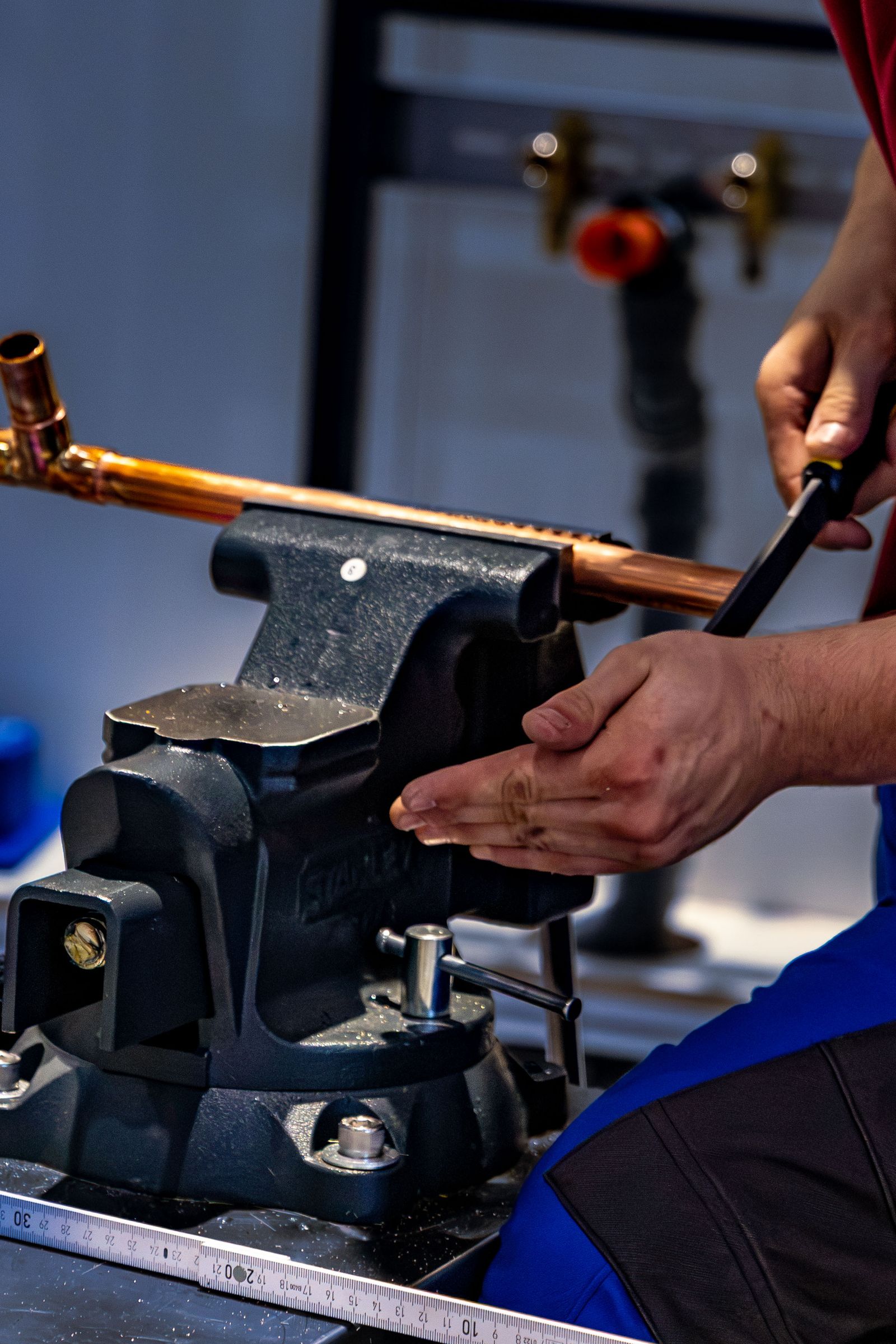
- Flushing, anode rod and valve checks explained in plain words.
- Why moderately hard water leaves sediment and scale behind.
- An honest view on when service stops being worth it.
Many tank problems build slowly. Minerals collect on the bottom, the anode rod wears down and valves stiffen, and good water heater maintenance in Bartlett is about catching those things while the tank is still sound.
Call and describe your heater, its age if you know it and anything it is doing, such as rumbling or a smell. We connect you with local pros who give a straight answer on what is worth doing, with the upfront price before work begins and nothing hidden.
What yearly water heater maintenance in Bartlett includes
A maintenance visit is a careful look at the parts that wear quietly. The technician checks the tank for rust or moisture, looks at the connections and the drain pan, inspects the relief valve and the anode rod and, where it applies, flushes out sediment. On a gas unit, they also look at the burner, the flue and the draft.
On an electric unit, the focus shifts to elements, thermostats and scale. Either way, you leave with a clear picture of the tank's condition and a straight recommendation, not a menu of extras.
Yearly is a common rhythm, but it is a habit rather than a rule. Cold winters and moderately hard Lake Michigan water give a Bartlett heater plenty of reasons to be looked at regularly. The pro can tell you what rhythm suits your unit once they have seen it.
Sediment in water heater tanks, and when a water heater flush helps
Water here is generally moderately hard, and heating it drives dissolved minerals out of the water. They settle as sediment on the bottom of the tank and harden into scale on heating parts. Sediment in water heater tanks sits behind many rumbling, popping and slow-recovery complaints.
On a gas unit, that layer sits between the burner and the water, so the flame works harder to heat the same volume. On an electric unit, it can bury the lower element. Either way, some of the heat never reaches the water.
A water heater flush moves water through the drain valve to carry loose sediment out of the tank. It tends to help when the layer is loose and the tank is sound. It cannot reverse scale that has already hardened, and a heavy buildup can clog the drain valve before much comes out.
Flushing is a task for the pro. Hot water, a drain valve that can stick and the gas or power feeding the heater all call for care. The tech decides whether a flush will help or whether the tank has built up too much.
The anode rod: what it does and anode rod replacement
Inside the tank, a metal rod made of magnesium or aluminum hangs from the top. It is there to corrode in place of the steel, so the rod sacrifices itself while the tank lining holds. That is why it is called a sacrificial anode.
Once the rod is mostly consumed, the steel is next in line. A technician checks the rod, often when the tank is serviced, and recommends anode rod replacement when what is left is thin or missing. It does not rescue every tank, but a worn rod is one of the more useful things to catch early.
Space matters here. Tanks in tight closets or under low basement ceilings can leave little room above them to pull the rod out, and some need a flexible rod. Mention the location when you call.
Water chemistry plays a part as well. Some water makes a hot-water smell more likely with certain anode types, and the tech can talk through the options if you have noticed one.
Relief valve and expansion tank checks, done by the technician
The temperature and pressure relief valve is a safety device that opens if the tank gets too hot or pressure climbs. It should never be tested or opened at home. The technician checks that it looks sound, that its discharge pipe is in place and that nothing nearby shows signs of seepage.
An expansion tank absorbs the extra volume of water as it heats in a closed system. The pro checks its air charge and condition, because a tired one can leave pressure spiking, which stresses the tank, the fittings and the relief valve. Whether your home needs one is a question for the pro.
The table shows what a typical visit looks at and why each item matters.
| Part | What the tech checks | Why it matters |
|---|---|---|
| Tank and drain pan | Rust, moisture and stains | Early signs of a leak |
| Anode rod | How much of the rod remains | Protects the steel inside the tank |
| Relief valve and pipe | Condition and discharge line | Safety valve for heat and pressure |
| Expansion tank | Condition and air charge | Keeps pressure spikes in check |
| Burner, flue or elements | Flame and draft, or element and thermostat condition | Steady, efficient heating |
Tankless descaling and yearly care
A tankless unit has no tank to rust, but it has narrow passages that scale loves. Minerals from moderately hard water coat the heat exchanger, restrict flow and trigger error codes, and the unit works harder to deliver the same temperature.
Descaling circulates a mild acid through the unit to dissolve that scale. It needs the right fittings, a pump and a proper rinse, so it is a job for the pro. Filters and inlet screens get a look at the same visit.
If you are weighing a switch or already own one, our page on a tankless water heater explains how these units work and what care they need.
When maintenance is no longer worth it
Maintenance helps a sound tank. It cannot rescue a tank that has failed. Moisture on the floor that keeps returning, rust at the base of the tank or a unit that needs repair after repair all point beyond service.
A tank that leaks is the clearest sign. If water is coming from the tank body, flushing and new parts will not fix it, and the honest answer is replacement. The page on a leaking water heater explains what to look at and what to do right away.
Age is the other factor. If the label shows a tank that has been in service for a long time, a new tank may make more sense than another round of service. The tech reads the manufacture date and gives you a plain recommendation. When replacement is the answer, the next step is a water heater installation, with options and the upfront price before work begins.
Maintenance for Bartlett homes, era by era
Bartlett's oldest homes sit in the grid around the depot. In Downtown Bartlett, the tank may be in a cramped basement corner or a utility space added later, and the area page on water heater repair in Downtown Bartlett describes what a tech watches for there.
The 1980s subdivisions, such as Apple Orchard, were built with many partial and full basements, so access for a flush and an anode check is often straightforward. If your heater there is the original or close to it, water heater repair in Apple Orchard explains what is usual for homes of that era.
Slab ranch townhomes put the heater in a closet or the garage, where tight clearance can make anode and valve work harder to reach. Garage tanks also face cold winters, which affects how a technician plans the visit.
When a tank stops working altogether, the home page section on water heater repair in Bartlett is the place to start.

Water heater maintenance questions from Bartlett homes
There is no single answer, because it depends on the water, the tank and how much sediment has built up. Many homeowners ask for a flush as part of a yearly visit. The tech can see how much comes out and tell you what rhythm fits your unit.
It is a sacrificial metal rod that corrodes so the steel tank does not. A technician checks how much of it remains and recommends replacing it when it is thin or gone. It is one of the quiet parts that shapes how a tank holds up.
If you smell gas near the heater, leave the home and call the gas utility and 911 from outside. If the smell shows up only in the hot water at the tap, it can come from a reaction involving the anode rod inside the tank. A tech can look at the rod and tell you whether a different type or a flush makes sense.
Sometimes. If loose sediment is the cause, removing it can quiet the tank. Hardened scale does not wash out, so a long-running rumble may need more than a flush, and the tech will tell you which case you have.
That depends on its condition more than its number. A sound tank may benefit from a check, while one with leaks or heavy rust is better replaced. Ask the tech to look at the tank honestly before you decide.
We would rather you did not. Flushing involves very hot water, a drain valve that can stick or clog and the gas or power feeding the heater, so a pro should handle it. We can connect you with a local tech who will do it properly.
Yes, mostly descaling and a look at the filters and inlet screens. Moderately hard water leaves scale on the heat exchanger, which is a common source of error codes. The pro decides how often your unit needs attention.
The tech looks at the tank and drain pan for rust or moisture, the anode rod, the relief valve and its pipe, and the expansion tank if there is one. On gas units, they also check the burner, flue and draft. On electric units, they look at the elements and thermostats.
Water heater maintenance in Bartlett starts with a call
Tell us about your heater and we connect you with experienced local pros who answer straight, explain the upfront price and do the work properly. Calls are answered 24/7 for water heater maintenance in Bartlett and urgent problems alike.