Leaking Water Heater in Bartlett, IL
Water on the floor? Stay calm. This page gives you the safe first steps for a leaking water heater in Bartlett, then connects you with experienced local pros by phone, day or night.
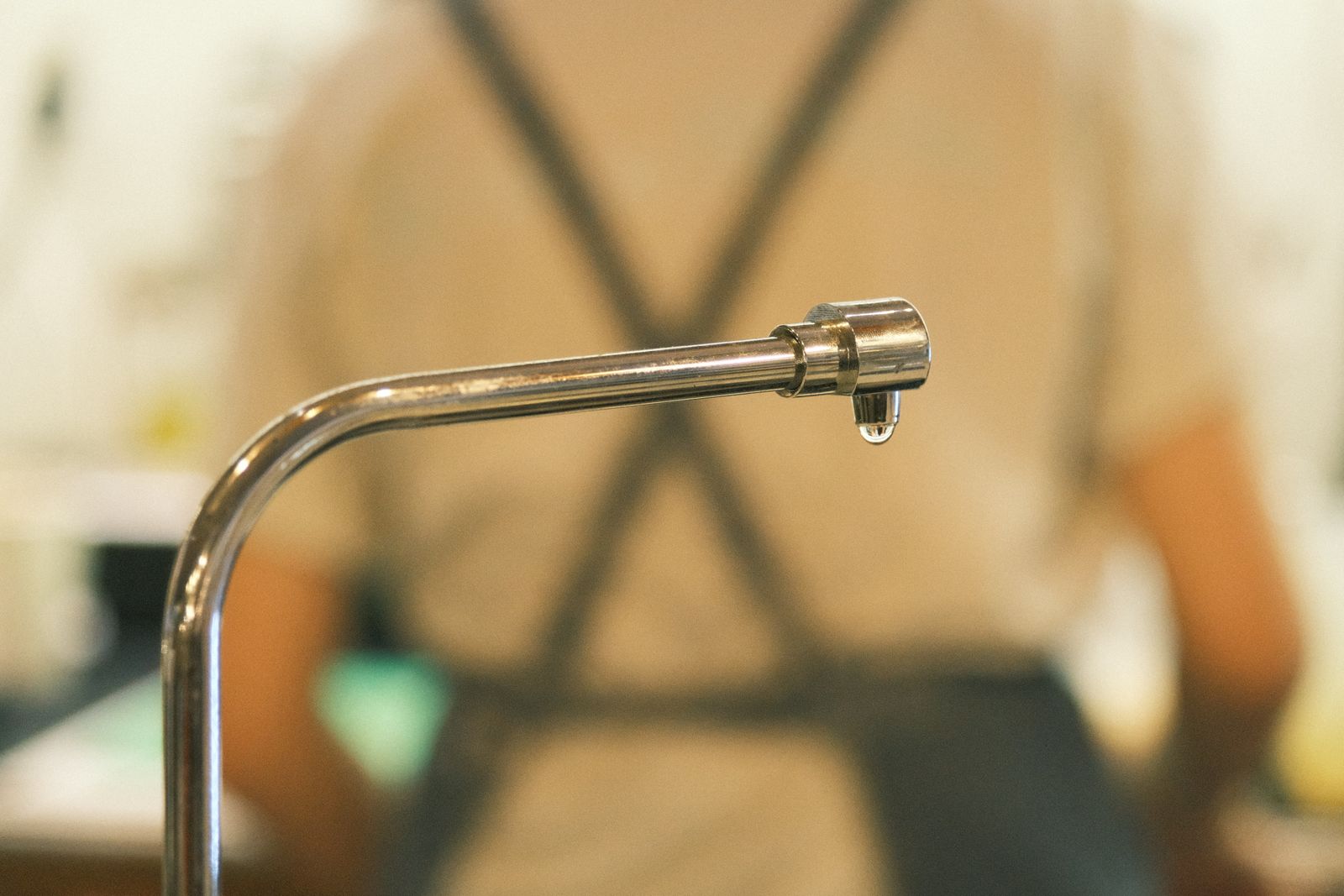
- Close the cold-water valve on top of the heater if you can reach it safely.
- Small drips and failed tanks look alike, so a pro finds the source.
- Calls are answered 24/7, with same-day and emergency dispatch where available.
Right now: if you smell gas, leave the house and call the gas utility and 911 from outside. If you do not, close the cold-water valve on top of the heater if you can reach it safely, keep people and pets off the wet floor, and call us. Everything below can wait until you have made that call.
We connect Bartlett homeowners with experienced local pros who handle a leaking water heater regularly. Tell us where the water is, what the heater looks like and roughly how old it is. You get a straight answer and the upfront price before any work starts.
Leaking water heater in Bartlett: what to do right now
Take these steps in order, and stop at any point where something feels unsafe.
- If you smell gas, leave and call the gas utility and 911 from outside. A carbon monoxide alarm sounding means leave and call 911.
- Close the cold-water valve on top of the heater, but only if you can reach it safely and the floor around it is not flooded.
- Keep people and pets away from hot water and wet floors.
- Move stored items away from the heater and put towels down.
- Note the model label and the age if it is visible.
Please do not open the relief valve, relight a pilot or touch electrical controls. Those jobs are for the pro, and doing them while water is leaking is not worth the risk. Then call, and describe what you see.
Water around water heater: finding where it comes from
Water around a water heater has several possible sources, and only some of them involve the tank itself. The pro traces the path of the water before deciding anything, because water travels along pipes and floors and can show up far from where it started.
Fittings and supply connections at the top can drip when a joint loosens or corrodes. The temperature and pressure relief valve and its discharge pipe can release water for several reasons. The drain valve near the bottom can seep, and condensation can fool you on a cold tank or a cold pipe.
Then there is the tank itself. Once water escapes through the tank shell, the problem is no longer a part that can be swapped. The diagram shows the usual places to look, which helps when you describe the leak on the phone.
Water heater leaking from bottom: repair or failed tank
A water heater leaking from bottom areas worries people most, and for good reason. Water at the base can come from a loose drain valve or a drip from fittings above that ran down the tank. It can also mean the tank has corroded through, and in that case no repair will hold.
The pro checks the obvious causes first. A fitting or a valve is a repair, whereas a tank that has failed is a replacement. Gas and electric units are checked differently, so tell the pro which one you have. Our pages on a gas water heater and an electric water heater explain how each type is built.
| Where you see it | What it often points to | What usually follows |
|---|---|---|
| Drips at pipe connections on top | A loose or worn fitting | Often a repair |
| Pipe from the relief valve is wet | The valve is releasing water for a reason | The pro finds out why |
| Seep at the drain valve | A worn valve or cap | Often a repair |
| Water pooling under the tank | Possibly the tank shell | Usually replacement |
| Damp tank or pipes only | Possibly condensation | A pro confirms it |
Relief valve leaking: why the discharge pipe is wet
When the relief valve is leaking, it is doing its job or it has worn out. The valve opens to release pressure or heat, and the pipe attached to it carries the water to a safe spot. If that pipe is dripping, something is making the valve open.
Common reasons include rising pressure in the system, a thermostat that has failed, or a valve that no longer seats properly. An expansion tank that is missing or worn out can also be involved. Each of these needs a pro to find, because the valve guards against dangerous pressure.
Please do not cap the pipe, plug it or lift the lever to see what happens. Leave it as it is and call.
Protecting floors, closets and ceilings below
Water always finds the easy way down. A heater in a basement drains toward a floor drain if one is nearby, but a heater on a main floor or upstairs can soak carpet, drywall and ceilings below.
Towels are fine for a slow drip. If the water is spreading, move stored items out of its path first and keep furniture off the wet area. Photograph the damage and the model label before you clean up, since you may need them later.
Stay out of standing water around the heater. Hot water also scalds, so keep small children and pets away until the pro arrives.
Replacement after a tank leak, and how drain pans help
A tank that leaks through its shell cannot be patched. The pro will tell you plainly if that is what happened, and explain the options for a replacement unit. If hot water stopped as well, our page on no hot water explains what else the pro looks at.
On the call, expect a few simple questions: where the water is, which fuel the heater uses, whether the label shows an age, and whether the area is finished space. Having those answers ready helps the pro plan the right visit.
It is also a good moment to add protection. A drain pan with a pipe to a safe spot catches slow leaks before they spread, and a leak alarm on the floor gives you an early warning. Neither prevents a failure, but both limit the damage if one happens.
When the leak turns out to be a worn fitting, the simpler visit described under water heater repair in Bartlett may be all you need. The pro will say which situation you are in.
Where Bartlett heaters leak, and who gets hit hardest
Late-1990s streets such as the ones on our page for water heater repair in Westridge usually have full basements, so a leaking tank often lands on concrete near a drain. That is forgiving, though finished basement rooms change the story fast. Check what sits around the heater before you assume the floor is harmless.
The 2000s homes covered under water heater repair in Heron's Landing tend to have newer heaters and finished space, so leaks reach carpet and drywall sooner. Slab ranch townhomes keep the heater in a utility closet or the garage, where water spreads to walls and flooring close by.
Moderately hard Lake Michigan water leaves sediment in tanks, and that can add to wear on the tank. Cold winters add a second strain, since a garage heater works harder and stands in a colder room.

Leaking water heater questions from Bartlett homes
It can be, because of hot water, wet floors and, in some cases, electrical parts close to the leak. Stay clear of the area and keep children and pets away. If you smell gas or a CO alarm sounds, leave and call 911 from outside.
A leak from a fitting or valve can often be repaired. A leak through the tank shell cannot, because the metal itself has failed. The pro will tell you which one you have.
The valve opens to release pressure or heat, so a wet pipe means something is triggering it. Causes include system pressure, a failed thermostat or a worn valve. Please leave it alone and let the pro diagnose it.
Closing the cold-water valve on top of the heater is a sensible first step if you can reach it safely. If the floor is flooded or the area feels unsafe, stay back and call. The pro can take it from there.
Condensation tends to appear on cold pipes or a cold tank, and it fades once things warm up. A real leak keeps coming back after you wipe the spot dry. If you are unsure, take photos and describe them on the phone.
A leak through the tank shell needs attention promptly, because it only gets worse. The pro will explain the options and when the work should happen. Ask about same-day availability when you call.
That depends on your own circumstances and policies, so check your paperwork or ask whoever handles your home coverage. Photos of the damage and the model label are useful to have. The pro can describe the cause of the leak in plain terms.
It is better not to. A leaking heater can get worse without warning, and running it keeps feeding the leak. Closing the cold-water valve on top and waiting for the pro is the safer course.
Stop the damage from a leaking water heater in Bartlett
The sooner someone looks, the smaller the problem tends to stay. Call now and a local pro will help you with a leaking water heater in Bartlett, from the first safe steps to a clear plan.